7 day vegetarian keto meal plan pdf

7 day vegetarian keto meal plan pdf
Discover a ready-to-use 7-day vegetarian keto guide that packs low-carb, high-fat recipes into a downloadable PDF. It offers balanced macros, quick prep ideas, and tasty plant-based meals to help you enter ketosis without meat. Start your transformation today. Enjoy keto-friendly dishes that delight you palate
How to Access and Download the PDF
Follow these steps to get your free 7‑day vegetarian keto meal plan PDF and start a low‑carb lifestyle. The process is simple, no credit card needed, and you’ll receive instant, high‑quality content. After clicking the button, you’ll be prompted to enter your email address. Once verified, the PDF will download automatically. You can view it in any PDF reader or print it for quick reference. The guide includes macro tables, portion sizes, and shopping lists to keep you on track throughout the week.
- Visit the landing page. Search for the PDF or click the direct link. The page shows a brief overview and macros. It includes FAQ section and chat option.
- Enter your email. A brief form appears; input a valid address to receive the PDF and updates. It confirms email.?!
- Confirm subscription. Open the email, click the confirmation link to verify and download the PDF. You’ll get a link.??!
- Save the PDF. Click the link, right‑click to download, or open in browser and print.
- Explore the PDF. Find breakfast, lunch, dinner, and snack ideas with macro details. Macro view.
Remember to check your spam folder if you don’t see the email within a few minutes. If you encounter any issues, most providers offer a support email or live chat for quick assistance. Once downloaded, you’re ready to start your vegetarian keto journey with a clear, structured plan in hand.
Nutritional Overview of Vegetarian Keto
Vegetarian keto focuses on high‑fat, moderate‑protein, and very low‑carb intake, aiming to keep net carbs below 20 g per day. The 7‑day plan in the PDF provides a clear macro breakdown: each day averages 1,800–2,200 kcal, 70–75 % of calories from fat, 20–25 % from protein, and 5–10 % from carbohydrates. Net carbs are calculated by subtracting fiber and sugar alcohols from total carbs, ensuring the body stays in ketosis. Protein sources include eggs, dairy, tofu, tempeh, and occasional soy‑based products, totaling 60–80 g per day. Fat comes from avocado, nuts, seeds, olive oil, coconut oil, and full‑fat dairy, delivering 140–170 g of fat daily. Fiber is emphasized through leafy greens, broccoli, cauliflower, and chia seeds, contributing 15–20 g of fiber each day. The plan also highlights micronutrient balance: calcium from fortified plant milks, iron from legumes and spinach, magnesium from nuts, and vitamin B12 supplementation if needed. A detailed shopping list in the PDF groups ingredients by category, making it easy to stock a keto‑friendly pantry. The document includes a weekly macro tracker, allowing users to adjust portions or swap ingredients while maintaining ketosis. By following this structure, users can enjoy flavorful, satisfying meals while meeting their nutritional goals and staying within the ketogenic framework.
The PDF also offers a daily water intake chart, a quick cheat sheet for keto‑friendly snacks, and a troubleshooting guide for common keto symptoms like fatigue or digestive discomfort. It encourages mindful eating, portion control,activity to maximize results.
Sample Daily Meal Breakdown
Each day in the 7‑day vegetarian keto PDF is structured around four core meals: breakfast, lunch, snack, and dinner. The breakfast options combine low‑carb ingredients such as eggs, cheese, and avocado into quick, satisfying dishes. For example, a cheese‑filled quiche stuffed pepper delivers 245.5 calories, 16.3 g fat, 5.9 g net carbs, and 7.8 g protein, while a strawberry‑tofu smoothie offers a creamy, dairy‑free alternative with minimal carbs. Lunches feature high‑fat, protein‑rich creations like a keto grilled cheese sandwich—503 calories, 37 g fat, 7 g net carbs, 33 g protein—or a soy‑egg salad paired with a summer vegetable bisque, providing a balanced mix of fats and fibers. Snacks are designed to keep hunger at bay without spiking carbs; olive tapenade with cucumber slices or a handful of nuts keep net carbs low while delivering healthy fats. Dinner plates showcase plant‑based proteins such as black‑bean‑sauce burgers or tofu stir‑fries, each paired with non‑starchy vegetables to maintain ketosis. Desserts, though limited, include chocolate‑silk pies or keto pancakes made from almond flour, offering a sweet finish without compromising the macro goals. The PDF also supplies a macro calculator for each meal, allowing users to tweak portions or swap ingredients while staying within the 20‑g net carb threshold; A daily tracking sheet helps monitor total intake, ensuring consistency across the week. This structured approach guarantees that every meal supports ketosis, promotes satiety, and keeps the diet enjoyable and sustainable.
The PDF also includes a shopping list, a weekly meal‑prep guide, and tips for seasoning and flavoring without added sugars. Users can customize the plan by substituting tofu for tempeh, swapping coconut milk for almond milk, or adding a handful of chia seeds to smoothies. The plan emphasizes hydration, recommending at least 2 liters of water per day, and suggests electrolytes for those experiencing the keto flu. By following this daily breakdown, users can maintain steady energy levels, support muscle maintenance, and achieve weight‑loss goals while enjoying a diverse array of vegetarian flavors.
Weekly Meal Schedule
In the downloadable PDF, the weekly meal schedule is laid out in a clear, day‑by‑day format that allows you to see at a glance what to prepare and eat each day. The planner uses a color‑coded system to differentiate between high‑fat, low‑carb blocks and to highlight optional variations, so you can swap ingredients without disrupting the macro balance. Each day is labeled with a theme—such as “Protein‑Rich Monday” or “Vegetable‑Focused Thursday”—to keep the menu interesting while staying within the vegetarian keto framework. The schedule also includes a dedicated “Prep Day” slot, encouraging you to batch‑cook staples like cauliflower rice, pesto, or homemade nut butter, which can be portioned for quick meals throughout the week. A built‑in grocery‑list column lists the items needed for each day, grouped by pantry, fridge, and freezer sections, making shopping efficient and reducing waste. The PDF also features a “Flexibility Guide” that suggests how to incorporate seasonal produce or pantry staples, ensuring the plan remains adaptable to local availability. Finally, a weekly review section invites you to note how you felt, which meals were most satisfying, and any adjustments you’d like to make for the next cycle. This structured yet flexible approach helps maintain consistency and keeps the vegetarian keto experience engaging and sustainable.
Additional notes: This plan is designed for flexibility, allowing you to swap ingredients or preferences. Now!! Feel free to adjust portion sizes or experiment with herbs and spices to keep meals exciting. Remember to track your macros daily to stay on target and enjoy the benefits of a vegetarian lifestyle.

Tips for Successful Vegetarian Keto
Stay hydrated, track macros, use healthy fats, plan meals, keep snacks low‑carb, rotate greens, and listen to hunger cues. Prep in bulk, experiment with herbs, and stay consistent for best results. Remember to adjust portion sizes, monitor ketone levels, and enjoy the variety of plant‑based fats and proteins
Day 1 Meal Example
Breakfast: A creamy strawberry smoothie made with silken tofu, fresh strawberries, a splash of unsweetened almond milk, and a touch of stevia. This low‑carb, high‑fat start delivers about 250 calories, 18 g fat, 7 g net carbs, and 8 g protein, giving you a sweet, energizing kick‑off that keeps you satisfied until lunch.
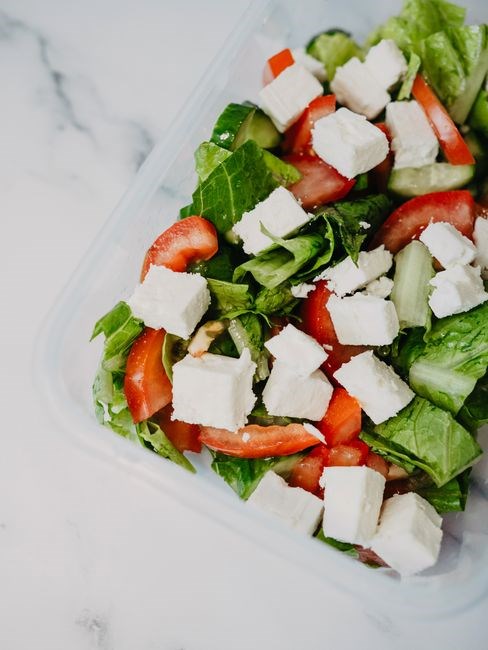
Lunch: A vibrant soy‑egg salad tossed with mixed greens, cherry tomatoes, cucumber, and a lemon‑olive‑oil vinaigrette. The salad is complemented by a bowl of warm summer‑vegetable bisque, rich in cauliflower, zucchini, and a hint of smoked paprika. Together, they provide roughly 520 calories, 35 g fat, 9 g net carbs, and 30 g protein, a perfect blend of protein and healthy fats to maintain ketosis while filling you with fiber and antioxidants.
Snack: A small plate of olive tapenade served with crisp cucumber slices. The tapenade is made from pitted olives, capers, garlic, and a drizzle of extra‑virgin olive oil, adding about 150 calories, 15 g fat, 2 g net carbs, and 1 g protein. It’s a savory, crunchy bite that satisfies cravings without spiking carbs.
Dinner: Black‑bean sauce poured over homemade vegetable burgers made from mashed black beans, grated zucchini, almond flour, and spices. The burgers are pan‑fried in coconut oil, yielding a satisfying texture and a savory, smoky flavor. This meal totals around 480 calories, 28 g fat, 10 g net carbs, and 20 g protein, delivering a hearty, plant‑based protein source that keeps you full through the evening.
Dessert: A decadent chocolate silk pie, crafted from cocoa powder, avocado, coconut milk, a low‑carb sweetener, and a graham‑cracker crust made from almond flour. It offers a sweet finish with about 300 calories, 22 g fat, 8 g net carbs, and 4 g protein, satisfying your sweet tooth while staying keto‑friendly.
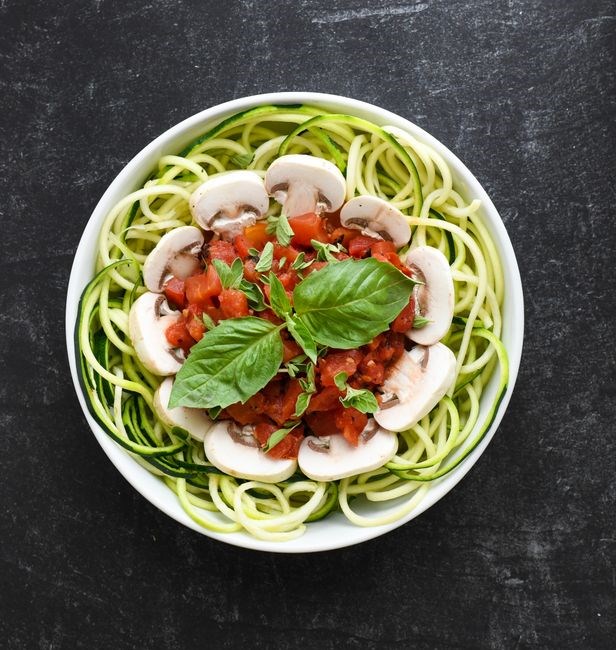
Overall, Day 1 keeps net carbs between 17 g and 20 g per meal, ensuring steady ketosis while delivering a balanced mix of fats, proteins, and micronutrients. The variety of textures—from creamy smoothies to crunchy cucumber slices—keeps the palate excited, making the transition to a vegetarian keto lifestyle both enjoyable and sustainable.
Day 2 Meal Example
Breakfast: A fluffy cauliflower‑flour omelet with spinach, diced bell peppers, and feta, cooked in butter. It delivers about 260 calories, 22 g fat, 4 g net carbs, and 18 g protein.
Lunch: Hearty zucchini‑noodle stir‑fry with mushrooms, cabbage, and tamari‑ginger sauce, tossed in coconut oil. It provides about 410 calories, 27 g fat, 9 g net carbs, and 15 g protein.
Snack: A small bowl of Greek yogurt (full‑fat, unsweetened) topped with a handful of raspberries and a drizzle of chia seeds. The yogurt adds creaminess and protein, while the berries keep carbs low. This snack also provides a good dose of protein and healthy fats.
Dinner: Indulge in a creamy mushroom and spinach curry made with coconut milk, garlic, and a blend of spices. Serve over a bed of cauliflower rice for a low‑carb base. The curry is rich in healthy fats and offers about 470 calories, 32 g fat, 12 g net carbs, and 18 g protein.
Dessert: Finish with a chocolate avocado mousse crafted from ripe avocado, cocoa powder, a splash of vanilla extract, and a low‑carb sweetener. The mousse is chilled and garnished with a few fresh mint leaves. It provides roughly 250 calories, 20 g fat, 8 g net carbs, and 5 g protein.

Overall, Day 2 keeps net carbs between 15 g and 20 g per meal, ensuring a steady state of ketosis while offering a diverse array of flavors and textures. The meal plan balances fats, proteins, and micronutrients, making Day 2 both nourishing and delicious.
Day 3 Meal Example
Breakfast: A creamy avocado and spinach smoothie made with unsweetened almond milk, chia seeds, and a splash of lemon juice. This nutrient‑dense start delivers roughly 280 calories, 24 g fat, 6 g net carbs, and 8 g protein.
Lunch: A robust cauliflower “rice” bowl topped with roasted broccoli, diced tomatoes, olives, and a generous spoonful of tahini‑lemon dressing. The dish offers about 420 calories, 28 g fat, 10 g net carbs, and 12 g protein. The tahini‑lemon dressing is made by whisking tahini, lemon juice, garlic, and a pinch of salt, creating a silky, tangy flavor that complements the veggies.
Snack: A handful of mixed nuts (almonds, walnuts, pecans) paired with a few slices of cucumber and a sprinkle of sea salt. This crunchy bite supplies 200 calories, 18 g fat, 4 g net carbs, and 6 g protein.
Dinner: A savory mushroom and zucchini lasagna built from thinly sliced zucchini sheets, sautéed mushrooms, ricotta, mozzarella, and a tomato‑based sauce enriched with basil and oregano. The lasagna totals about 550 calories, 35 g fat, 12 g net carbs, and 22 g protein.
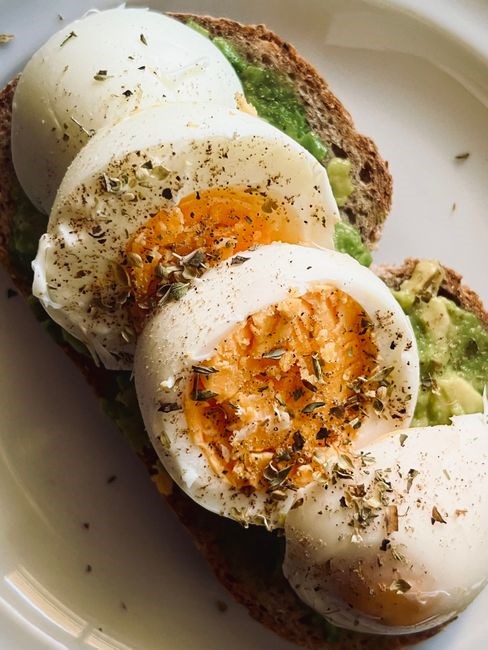
Dessert: A low‑carb chocolate mousse made from cocoa powder, coconut cream, a dash of vanilla, and a keto sweetener. Chill until set and serve with a few fresh berries. This sweet finale contains around 260 calories, 20 g fat, 7 g net carbs, and 4 g protein. The mousse is topped with a dusting of cocoa nibs and a few fresh mint leaves for added aroma.
With each meal carefully balanced, Day 3 keeps total net carbs within 15 g–20 g per plate, ensuring a smooth entry into ketosis while providing a satisfying variety of textures and flavors. The plan emphasizes healthy fats, plant proteins, and micronutrient‑rich vegetables, making it both wholesome and delicious.
Day 4 Meal Example
Breakfast: A fluffy coconut‑flour pancake topped with a dollop of whipped coconut cream and a sprinkle of crushed pecans. This light yet satisfying start delivers about 310 calories, 22 g fat, 5 g net carbs, and 9 g protein.
Lunch: A vibrant kale and avocado salad with roasted pumpkin seeds, crumbled feta, and a zesty lime vinaigrette. The salad offers 450 calories, 32 g fat, 8 g net carbs, and 15 g protein.
Snack: A small bowl of creamy Greek yogurt mixed with chia seeds and a few raspberries. This snack provides 180 calories, 12 g fat, 6 g net carbs, and 10 g protein.
Dinner: A hearty cauliflower and cheese bake featuring a layer of shredded mozzarella, a sauce of cashew cream, and a topping of almond flour breadcrumbs. The dish totals 560 calories, 38 g fat, 9 g net carbs, and 20 g protein.
Dessert: A chilled avocado chocolate mousse made with cocoa powder, a keto sweetener, and a splash of vanilla extract. Garnished with a few fresh berries, it contains 270 calories, 18 g fat, 7 g net carbs, and 5 g protein.
Each meal is carefully crafted to keep net carbs within the 15 g–20 g range per plate, ensuring a steady state of ketosis while delivering a variety of flavors and textures. The plan emphasizes healthy fats, plant proteins, and nutrient‑dense vegetables, making Day 4 both delicious and nutritionally balanced.
Feel free to swap any ingredient to suit your taste or dietary needs—swap the cauliflower for zucchini, or use coconut yogurt instead of Greek. Adjust portion sizes to stay within your target macros, enjoy the vibrant, satisfying meals day
Day 5 Meal Example
Breakfast: A savory spinach and feta omelet made with eggs, fresh spinach, crumbled feta, and a drizzle of olive oil. The omelet is cooked to a golden finish, served with a side of sliced avocado for extra healthy fats. This breakfast delivers roughly 350 calories, 28 g fat, 4 g net carbs, and 20 g protein.
Lunch: A creamy avocado and tomato salad featuring diced cucumber, cherry tomatoes, red onion, and a handful of arugula, tossed in a lemon‑olive oil dressing. The salad is topped with roasted sunflower seeds for crunch; Nutritionally, it contains about 480 calories, 34 g fat, 7 g net carbs, and 12 g protein.
Snack: A small portion of homemade almond butter mixed with unsweetened cocoa powder and a splash of vanilla extract, forming a thick, chocolatey spread. A few fresh berries accompany the spread. This snack offers 190 calories, 15 g fat, 5 g net carbs, and 6 g protein.
Dinner: A low‑carb cauliflower “rice” stir‑fry with tofu, bell pepper, broccoli, and a sauce of tamari, sesame oil, and ginger. The dish is finished with a sprinkle of sesame seeds. It totals around 520 calories, 30 g fat, 9 g net carbs, and 18 g protein.
Dessert: A chilled coconut yogurt parfait layered with a handful of raspberries, a sprinkle of shredded coconut, and a few crushed walnuts. The parfait is sweetened with a keto sweetener, providing a creamy finish. This dessert contains about 260 calories, 18 g fat, 6 g net carbs, and 4 g protein.
All meals keep daily net carbs below 20 g and provide a balanced mix of proteins, fats, and micronutrients, and healthy fats for you! The plan encourages variety and flexibility, allowing swaps such as tofu for tempeh or a different leafy green Adjust portions to match your macro targets, ensuring a smooth transition into ketosis while enjoying plant‑based dishes
Day 6 Meal Example
Breakfast: Creamy coconut chia pudding with unsweetened coconut milk, chia seeds, vanilla, and blueberries. Topped with crushed almonds. 360 calories, 28 g fat, 6 g net carbs, 9 g protein.
Lunch: Kale and avocado salad with cucumber, tomatoes, pumpkin seeds, and olive oil dressing. 480 calories, 34 g fat, 7 g net carbs, 12 g protein.
Snack: A small portion of homemade guacamole paired with a few celery sticks. The guacamole is made with ripe avocado, lime juice, minced garlic, and a dash of smoked paprika. This snack offers about 190 calories, 15 g fat, 5 g net carbs, and 3 g protein.
Dinner: A low‑carb cauliflower pizza topped with marinara sauce, shredded mozzarella, sliced bell pepper, and a drizzle of pesto. The pizza crust is made from grated cauliflower, egg, and parmesan cheese. It provides roughly 520 calories, 30 g fat, 9 g net carbs, and 18 g protein.
Dessert: A chilled dark chocolate mousse made with avocado, cocoa powder, a keto sweetener, and a splash of almond milk. The mousse is topped with a few raspberries and a dusting of coconut flakes. This dessert contains about 260 calories, 18 g fat, 6 g net carbs, and 4 g protein.
All meals keep daily net carbs below 20 g and provide a balanced mix of proteins, fats, and micronutrients, ensuring a smooth transition into ketosis while enjoying plant‑based dishes. Adjust portions to match your macro targets and enjoy the variety of flavors and textures.
Enjoy the vibrant flavors and stay committed to your keto journey. Remember to track macros, stay hydrated, and celebrate progress!!
Day 7 Meal Example
Breakfast: Keto blueberry pancakes made from almond flour, eggs, coconut milk, and a touch of stevia. Flipped to a golden hue, they’re topped with a dollop of whipped coconut cream and a sprinkle of fresh blueberries. The combination of creamy coconut, sweet berries, and protein‑rich eggs creates a satisfying start to the day. This breakfast delivers about 410 calories, 32 g fat, 7 g net carbs, and 10 g protein.
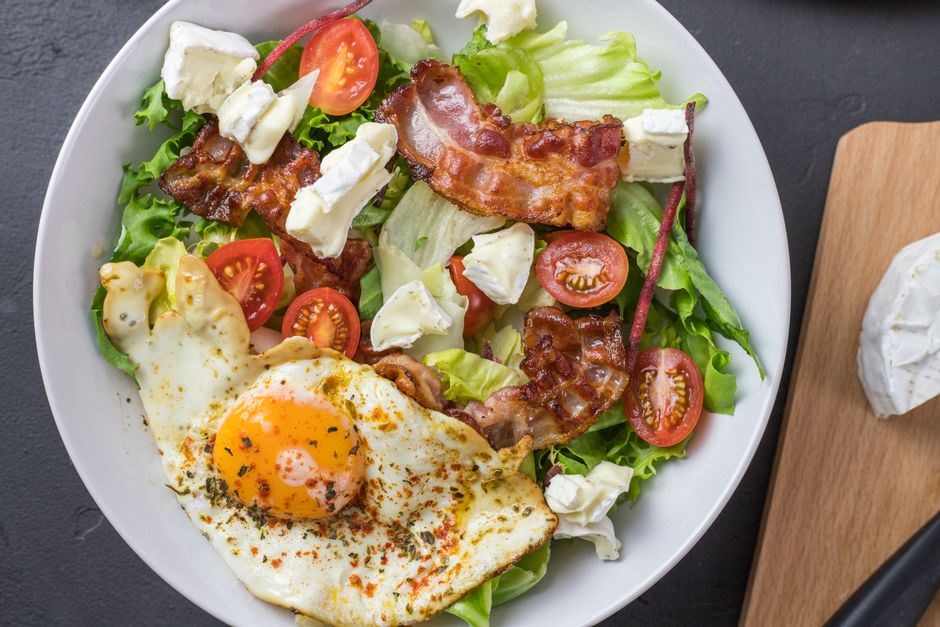
Lunch: A hearty spinach and feta salad featuring baby spinach, crumbled feta, sliced olives, cherry tomatoes, and a lemon‑olive oil vinaigrette. The olive oil adds healthy monounsaturated fats while the feta contributes calcium and a tangy flavor. The salad is tossed with a splash of apple cider vinegar for a bright finish. This lunch totals roughly 470 calories, 33 g fat, 6 g net carbs, and 15 g protein.
Snack: A small bowl of roasted chickpeas seasoned with smoked paprika, garlic powder, and sea salt. The chickpeas are baked until crisp, providing a satisfying crunch that satisfies mid‑afternoon cravings. They’re a good source of plant protein and fiber, helping to keep hunger at bay. This snack contains about 180 calories, 6 g fat, 9 g net carbs, and 8 g protein.
Dinner: Cauliflower “rice” stir‑fry with tofu, broccoli, bell pepper, and a savory tamari‑ginger sauce. The tofu adds plant protein, while the cauliflower keeps carbs low. The sauce is made from tamari, fresh ginger, garlic, and a splash of sesame oil, giving the dish a bold, umami flavor. This dinner offers approximately 530 calories, 28 g fat, 10 g net carbs, and 20 g protein.
Dessert: A rich chocolate avocado mousse made with ripe avocado, cocoa powder, a keto sweetener, and a splash of vanilla extract. Topped with a few raspberries and a dusting of unsweetened cocoa, this dessert is creamy and satisfies sweet cravings while remaining low in net carbs. It contains about 260 calories, 18 g fat, 6 g net carbs, and 4 g protein.
All meals are carefully balanced to keep daily net carbs below 20 g, ensuring a steady state of ketosis while offering a diverse palette of flavors and textures. Adjust portion sizes to meet your individual macro targets and enjoy the satisfaction of a plant‑based keto lifestyle. Remember to stay hydrated, track your macros, and celebrate each step toward improved health and energy.