bosch tankless water heater manual

bosch tankless water heater manual
Bosch Tankless Water Heater Manual Overview
The Bosch manual offers concise guidance on selecting, installing, and operating tankless water heaters. It details safety protocols, sizing calculations, and accessory compatibility, ensuring efficient, reliable hot water for residential and commercial use. It guides users in safe efficient operation!!
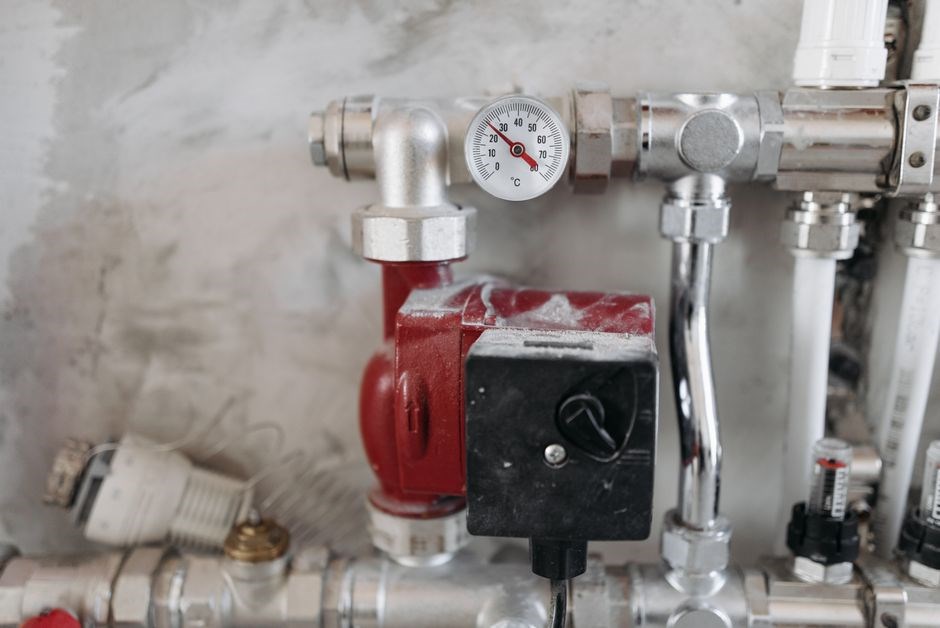
Model-Specific Documentation
Model‑specific guides cover Bosch C 950 ES, Therm, and gas units. Each PDF details installation steps, safety warnings, and technical specs. They help technicians match capacity to demand, choose accessories, and follow local codes for safe, efficient operation. Refer to Bosch support for updates. Now.!
Bosch C 950 ES Installation Manual
The Bosch C 950 ES Installation Manual provides a step‑by‑step guide for installing this indoor gas‑powered tankless water heater. It covers safety checks, gas line sizing, venting, electrical wiring, and commissioning. Installers must verify gas pressure, secure the unit on a level wall, and connect the 3/4‑inch gas pipe with a pressure regulator. The vent stack must be at least 6 inches high, with proper sealing to prevent backdrafts. Electrical connections require a 240‑V supply, grounding, and a control board wired per the diagram. The manual warns against using incompatible gas types and stresses the need for a carbon monoxide detector. Troubleshooting sections list common error codes, pilot light issues, and flow‑rate problems, offering reset procedures and filter‑replacement schedules. Maintenance advice includes inspecting the heat exchanger for corrosion after the first year and cleaning the inlet filter every six months. The guide also explains how to reset the self‑cleaning pilot system if it fails. Before commissioning, installers should complete a safety checklist: verify all connections, ensure the vent is leak‑free, and confirm the control panel displays correct operation. This manual ensures compliance with local codes and reliable, efficient hot‑water delivery for residential use. It recommends inspecting the heat exchanger for corrosion after the first year of operation and cleaning the inlet filter every six months to preserve efficiency. Additionally, the manual recommends installing a high‑efficiency heat‑exchanger and a digital flow‑meter to monitor real‑time performance, allowing installers to fine‑tune the system for peak energy savings and extended component life!!!
Bosch Therm Tankless Water Heater Applications Manual
The Bosch Therm Tankless Water Heater Applications Manual is a detailed PDF that covers domestic and commercial use cases. It starts with product specifications, flow rates, temperature rise, and power consumption for each model. A sizing guide follows, helping users calculate required capacity from peak demand, inlet temperature, and desired flow. Tables link flow rates to pipe sizes and inlet temperatures, ensuring accurate selection for single‑family homes and multi‑unit buildings. Installation sections detail venting, gas line sizing, and electrical connections, all tailored to each model and compliant with local codes. Troubleshooting tips address common issues like pilot light failures and error codes. Recommended accessories—heat‑exchanger upgrades, digital flow meters, and remote monitoring kits—boost performance and efficiency. Commercial features such as high‑capacity burners, low‑emission compliance, and building automation integration are highlighted, with case studies showing cost savings and reliable hot‑water delivery. The manual concludes with maintenance schedules, warranty details, and links to firmware updates and technical support.
The manual also provides a quick‑reference chart for temperature rise calculations, a flow‑rate conversion table, and a list of recommended pipe materials to minimize heat loss. Users are guided through the commissioning checklist, which includes verifying gas pressure, checking the pilot light, and performing a temperature‑rise test. This guide supports efficient operation.!!
Bosch Gas Installation Manuals and Specifications
The Bosch Gas Installation Manuals and Specifications provide comprehensive guidance for installing gas‑powered tankless water heaters; Each manual includes detailed schematics, venting diagrams, gas line sizing tables, and safety compliance notes. The documents cover indoor and outdoor mounting options, specifying clearances to combustible materials, recommended pipe materials, and pressure‑regulation requirements. They also outline step‑by‑step assembly instructions, from mounting brackets to gas shut‑off valves, and provide troubleshooting checklists for common issues such as pilot light failures, flame sensor errors, and pressure drop warnings. The specifications section lists model‑specific parameters—maximum inlet temperature, flow rate, BTU output, and energy‑efficiency ratings—allowing installers to match the unit to the building’s demand profile. Additionally, the manuals include a compliance matrix that maps each model to applicable codes (e.g;, NFPA 54, ASME B31.1) and environmental standards, ensuring installations meet local regulations and emission limits. For advanced installations, the PDFs feature optional accessories such as high‑efficiency burners, digital flow meters, and remote monitoring modules, with installation diagrams and wiring schematics. Finally, each manual concludes with a maintenance schedule, recommended service intervals, and a warranty summary, enabling installers and homeowners to maintain optimal performance and safety over the unit’s lifespan. The manuals also provide a quick‑reference guide for gas pressure adjustments, a troubleshooting flowchart for error codes, and a detailed section on venting system maintenance, including cleaning schedules and leak detection procedures. Installation technicians are advised to follow the provided safety precautions, such as verifying gas pressure before ignition, ensuring proper venting to avoid backdrafting, and using components. Adhering to these guidelines, users can achieve reliable, efficient, and code‑compliant operation of Bosch gas tankless water heaters!!!
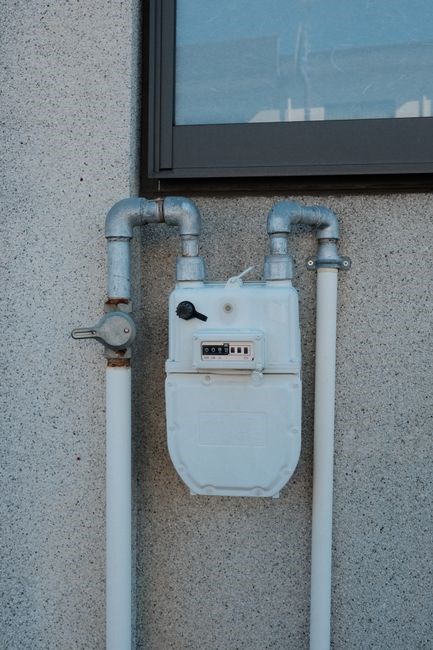
Installation Guidelines and Safety
Follow Bosch’s manual: secure mounting, proper venting, correct gas pressure, and clearances to combustibles. Use listed accessories, check for leaks, and verify flame sensor. Adhere to local codes and safety warnings for reliable, safe performance compliance.!!!
Indoor vs Outdoor Installation
When installing a Bosch tankless water heater, the location—indoor or outdoor—dictates specific requirements. Indoor units must be mounted on a wall or floor with a minimum clearance of 6 in. from any combustible surface, and the venting system must be routed through the roof or a dedicated vent stack to expel combustion gases safely. The unit should be placed in a well‑ventilated area to prevent carbon monoxide buildup, and a carbon monoxide detector is recommended within 10 ft of the appliance. Outdoor installations require a weather‑proof enclosure that protects the unit from rain, snow, and direct sunlight. The enclosure must allow for adequate airflow; Bosch recommends a minimum of 12 in. of clearance on all sides to prevent overheating. Outdoor units should be installed on a stable, level surface, and the venting must be sealed to prevent water ingress. Additionally, outdoor units should be protected from ice buildup by ensuring the venting is above the frost line. Both indoor and outdoor installations must comply with local building codes and the manufacturer’s guidelines for gas pressure, electrical supply, and safety clearances. Properly following these steps ensures efficient operation, longevity, and safety of the system. The installation should also consider the unit’s rating, ensuring that the chosen model matches the household’s hot water demand. A technician should verify the gas line size, check insulation, and confirm that the venting system meets the manufacturer’s specifications to avoid backdrafting. Finally, routine inspections can preempt hazards!!.
Safety Warnings and Precautions
Before installing or servicing a Bosch tankless water heater, read all safety instructions. Never work on a unit while the gas supply is open; shut off the gas valve and allow the system to cool. Inspect the gas line for leaks with a soapy water solution; any bubbles indicate a leak—immediately close the valve and contact a licensed professional. Ensure the venting system is free of obstructions; a blocked vent can cause carbon monoxide buildup. Install a carbon monoxide detector within 10 ft of the unit and test it regularly. Keep the appliance at least 6 in; from combustible materials and maintain the minimum clearance specified in the installation manual. For outdoor units, use a weather‑proof enclosure that allows adequate airflow and prevents moisture ingress. Verify that the electrical supply matches the unit’s voltage and amperage requirements; use a dedicated circuit with a GFCI breaker if required. Do not use a damaged or frayed power cord. When cleaning or replacing filters, wear protective gloves and eye protection. Do not attempt to modify the thermostat or pressure‑reducing valve; such changes can alter the system’s safety parameters. Follow all local code requirements for gas and electrical installations. If you suspect a malfunction—such as a sudden drop in water temperature, unusual noises, or a warning light—turn off the unit and call Bosch customer support. Regular maintenance, including descaling and vent inspection, keeps the heater operating safely and efficiently. Failure to observe these precautions can lead to fire, explosion, or carbon monoxide poisoning, which can be fatal. Always consult a qualified technician for installation, repair, or upgrade work. Safety first!.
This section emphasizes the importance of adhering to all safety guidelines and encourages users to seek professional assistance whenever uncertain; Proper installation and maintenance not only protect lives but also extend the lifespan of the unit, ensuring reliable hot water supply for years to come. Always follow the guidelines for safe operation.

Sizing and Capacity Selection
Choosing the correct Bosch tankless water heater size is critical for reliable performance and energy efficiency. Begin by determining the peak simultaneous demand in gallons per minute (GPM) for all fixtures that will draw hot water at the same time. For residential homes, typical showers use 2.5–3.5 GPM, kitchen faucets 1.5 GPM, and washing machines 2.0 GPM. Add the flow rates of each fixture that may operate concurrently, then multiply by the temperature rise required (ΔT) in degrees Fahrenheit. Bosch provides a sizing chart that correlates GPM and ΔT to the appropriate model series. For example, a 2.0 GPM demand with a 70 °F rise selects a C 950 ES, while a 3.5 GPM demand with a 60 °F rise requires a higher‑capacity unit such as the C 1200 ES. When sizing for commercial applications, consider peak demand spikes, such as multiple showers or large dishwashers, and apply a safety factor of 1.25 to account for future expansion. Verify the gas supply pressure and line length; long runs or low pressure can reduce the effective GPM, so adjust the model selection accordingly. Finally, cross‑check the chosen unit’s flow‑rate curve against the building’s pipe sizing and pressure drop calculations to ensure the heater can deliver the required temperature at the specified flow. Proper sizing prevents short cycling, ensures consistent hot water, and maximizes the unit’s lifespan; Bosch offers an online sizing calculator that inputs your household’s peak flow, ΔT, and gas supply data to recommend the exact model. Additionally, always verify that the pipe diameter meets the manufacturer’s minimum requirement; undersized piping can cause pressure drop and reduce the effective GPM. For high‑rise buildings, consider a multi‑stage unit or a booster to maintain flow at lower floors. Finally, document the selected model and its specifications in the installation record for future reference.
Operating Instructions
Before operating a Bosch tankless water heater, verify that the unit is correctly installed, all safety valves are functional, and the main gas supply is on with pressure within the manufacturer’s specified range (typically 0.8–1.2 psi). Connect the cold water line, set the flow‑rate valve to the manufacturer’s recommended setting, and turn the thermostat to the desired temperature (minimum 120 °F for most domestic uses). The heater will ignite once gas flow is detected and water flow exceeds the minimum threshold. A steady green light indicates normal operation; a flashing amber light signals a fault that requires inspection. During continuous use, monitor the flow‑rate gauge to confirm the unit delivers the expected GPM. If temperature drops or flow decreases, check for mineral buildup in the heat exchanger and clean the inlet filter as outlined in the maintenance section. The unit cycles on and off to maintain the set temperature, which is normal and efficient. In a power outage, the heater shuts down automatically; it resumes after power is restored and a brief self‑diagnostic period. Never block the exhaust vent or alter venting; improper venting can cause carbon monoxide buildup. If a fault code appears, consult the troubleshooting guide and reset the system with the reset button on the front panel. After each heating cycle, allow the unit to cool for at least 30 minutes before performing maintenance or inspection. Following these operating procedures ensures reliable, efficient, and safe hot water delivery for residential and light commercial settings. Regularly inspect venting for leaks and ensure the CO detector is operational today now daily!
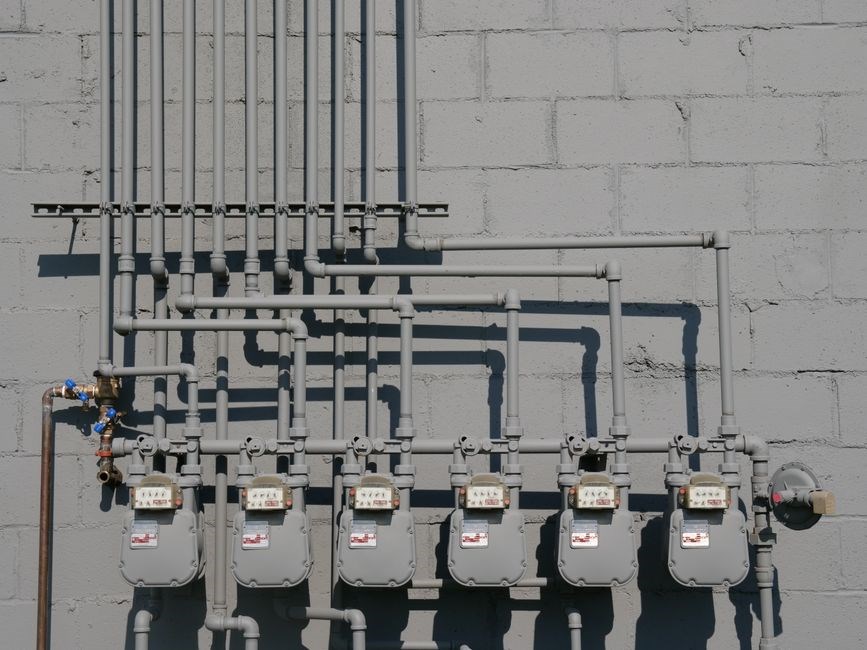
Maintenance and Troubleshooting
Regular upkeep keeps a Bosch tankless water heater running efficiently. Begin each cycle by inspecting the inlet filter; a clogged filter reduces flow and triggers a low‑flow fault. Clean the filter with warm soapy water, rinse, and reinstall; Next, examine the heat exchanger for scale or mineral deposits. If the temperature drop is significant, descale using a commercial descaling solution or a vinegar rinse, following the manufacturer’s safety guidelines. After cleaning, run a short test cycle to verify temperature recovery.
Check the exhaust vent for obstructions or corrosion. A blocked vent can cause the unit to shut down or trigger a CO alarm. Use a flashlight to inspect the entire vent path and remove any debris. Verify that the vent is properly sealed to prevent leaks.
Inspect the gas line for leaks using a soapy water solution. Any bubbles indicate a leak; tighten fittings or replace damaged sections immediately. Ensure the gas pressure remains within the specified range (0.8–1.2 psi). If the unit fails to ignite, verify that the pilot light is lit and that the gas valve is fully open.
When a fault code appears, consult the diagnostic chart in the manual. Common codes include:
- F01 – Low flow; check inlet filter.
- F02 – High temperature; verify thermostat setting.
- F03 – Vent blockage; inspect exhaust.
- F04 – Gas pressure; check regulator.
Reset the unit by pressing the reset button on the front panel. If the fault persists, schedule service with a qualified technician. Routine maintenance every six months and annual professional inspection are recommended to extend lifespan and maintain warranty coverage. Proper care reduces energy consumption and prevents costly repairs.
Accessories, Upgrades, and Warranty
Bosch offers a range of accessories that enhance performance and extend the life of tankless water heaters. The Therm‑Pro Filter Kit installs behind the inlet to trap sediment, reducing scale buildup on the heat exchanger. The Smart Thermostat Adapter connects the unit to home automation systems, allowing remote temperature control and energy‑usage monitoring. For high‑flow applications, the High‑Capacity Flow Booster increases water velocity without compromising efficiency.
Upgrades include the Condensing Module, which captures waste heat from exhaust gases to improve overall efficiency by up to 10%. The Extended Warranty Pack offers an additional five years of coverage on the heat exchanger and the control board, covering defects and service calls. Bosch also provides a Lifetime Service Agreement for commercial installations, ensuring yearly maintenance visits and priority parts replacement.
Warranty terms vary by model. Standard units come with a 10‑year limited warranty on the heat exchanger and a limited warranty on the control board. The warranty covers defects, but not damage from improper installation, maintenance, or misuse. Bosch requires that all upgrades and accessories be installed by a certified technician to maintain warranty validity. For detailed coverage information, consult the product’s warranty booklet or the Bosch website’s support section All accessories are compatible with Bosch’s control systems.

Common Applications (Domestic & Commercial)
Bosch tankless water heaters are engineered for both residential and commercial settings, offering on‑demand hot water with high efficiency. In homes, they replace traditional storage tanks, providing instant hot showers, dishwashing, and laundry while reducing space and energy consumption. The compact design fits under sinks or in utility rooms, and the low‑temperature rise allows safe operation in small apartments or multi‑family units.
Commercially, Bosch units serve restaurants, hotels, and laundromats where continuous hot water demand is critical. The high‑flow capability supports multiple simultaneous fixtures, and the integrated flow‑control valves maintain consistent temperature across all outlets. For hospitality use, the models include a “hot‑water‑reserve” feature that pre‑heats water during low‑usage periods, ensuring rapid availability for guests.
Industrial applications such as small manufacturing plants or office buildings benefit from Bosch’s modular sizing options. The “Therm‑Pro” series can be configured with multiple parallel units to meet peak demand, and the built‑in safety shut‑off protects against overheating. Additionally, the “Eco‑Boost” mode reduces standby losses, making these heaters suitable for 24/7 operation in high‑traffic environments.
Installation guidelines emphasize proper venting for gas models and adequate electrical supply for electric units. Bosch recommends a minimum of 30 % higher flow rate than the highest simultaneous fixture demand to avoid temperature drops. All applications are supported by the manufacturer’s warranty and service network, ensuring reliable performance over the unit’s lifespan. (Bosch)! OK.
Customers can also access Bosch’s online configuration tool, which calculates the exact flow rate and temperature rise required for any building layout, ensuring optimal sizing and compliance with local codes.
Energy Efficiency and Performance Metrics
Bosch tankless water heaters deliver energy efficiency by heating water only when needed. The Therm series averages 90 % efficiency for electric models and up to 95 % for gas units, surpassing conventional storage‑tank heaters that typically range 70 %–80 %. Heat‑exchanger technology maximizes heat transfer while minimizing standby losses. A fan and temperature‑control system adjust the burner or electric element output to match the incoming water temperature and desired setpoint, consuming only the energy required to raise the water temperature. The Therm line’s cold‑start mode allows operation at reduced power when the incoming temperature is close to the setpoint, further cutting energy use. Performance metrics such as flow rate, temperature rise, and recovery time are specified in the manual. For example, the C 950 ES model provides 2.5 GPM at a 40 °F rise, while the larger C 1200 ES delivers 3.0 GPM with a 45 °F rise. The recovery rate, measured in gallons per minute (GPM), indicates how quickly the heater can restore the desired temperature after a high‑flow event. Manufacturers report the Therm series can recover up to 5 GPM in a 50 °F rise scenario, translating to a recovery time of about 2 minutes for a 2‑gal tank. These metrics are essential for sizing the unit to match a building’s peak demand. The manual also includes ENERGY STAR® qualification for many models, ensuring compliance with federal energy‑saving standards. By selecting a unit that matches the building’s flow and temperature requirements, users can achieve significant cost savings on utility bills while maintaining reliable hot‑water daily operation. This approach reduces daily costs and extends the lifespan of the unit. The system also offers a thermostat for control!!

Resources for Further Reading
For deeper insight into Bosch tankless water heater systems, consult the following authoritative sources:
- Bosch Therm Tankless Water Heater User Manual (PDF) – Comprehensive installation, operation, and maintenance guide.
- Energy Star® Tankless Water Heater Program – Performance standards and energy‑saving tips.
- HVAC.com Tankless Water Heater Overview – Technical specifications, sizing calculators, and comparison charts.
- Energy Star® Product Database – Detailed efficiency ratings for Bosch models.
- Bosch Energy‑Efficient Water Heating Solutions – Case studies and best‑practice installation guides.
- Bosch Installation Video Tutorials – Step‑by‑step visual instructions from certified technicians.
- Consumer Reports Bosch Tankless Review – Independent performance evaluation and user feedback.
- Bosch Technical Support Forum – Troubleshooting tips and support from Bosch experts.
- Bosch Dealer Locator – Find certified installers and service centers near you for professional assistance.
More resources available for you
Contact Bosch for customized guidance!